This post was written in 2017, almost 10 years ago. I was a fresher, two years out of university with a finance degree, but I had worked in tech and startups since the day I graduated. I grew up in a small town surrounded by rice fields. My parents had ordinary jobs too, so everything in tech and startups felt like a whole new world. It was nothing like the life I knew before.
You can find the original post here.
—
Two weeks ago, an old colleague texted me: B had officially closed, a little over six months after it launched.
I read it twice, put my phone down, and picked it up again. It’s been two years since I stepped into my first startup, so I figure this is as good a time as any to write a few things down.
UP
October 2015. First day at AhaMove (*), Operations Associate. My first full-time job, too. The title said one thing, but since I was one of the first people on the Hanoi team, I ended up doing a bit of everything. There were only three of us: anh Trường (our CEO), Gấm and me.
(*) AhaMove is a delivery platform like Grab Express, except AhaMove started in 2015, before Grab launched Grab Express. We connect shippers/drivers and shops through our platform. So at that moment, we were the first in the market.
There was no real office yet. We borrowed desks from the GiaoHangNhanh (GHN) team at Sky Light Tower, at the far end of Minh Khai street, near Time City. (AhaMove and GHN are both subsidiaries of Scommerce Holding.) I was still a student then, in my final year, and lived close to the university, so every day was a trip from one end of the city to the other. After a few days, they moved us to GHN’s hubs. Calling them offices was generous, they were really hubs for receiving and delivering parcels. We went there to learn the app (we had just launched it), to train drivers on how to use it, and to see how a package travels from the shop to the customer’s hands. I spent the most time at the Hai Bà Trưng and Thanh Xuân hubs. At Thanh Xuân, the three of us didn’t even have chairs. The place was too cramped, so we just stood and watched, listened, and now and then stepped outside for some air when it got too much. It wasn’t the job I’d always pictured.
The first customer meeting I ever joined was with anh Trường, at iPOS (**), to talk about a partnership. Leadership on both sides supported it, so the deal closed fast. After that we went out to restaurants that used iPOS devices to pitch the service and show the staff how to use our app. But we had so few shippers back then that orders sat unclaimed, or the shipper showed up very late, and food can’t wait. Two or three days in, one restaurant cancelled, said they were done with us, and yelled at both the shipper and the boss on the way out.
Shock.
I’d assumed that working with big companies (to me, GHN, AhaMove and iPOS were big back then) meant clear processes and smooth sailing. I never thought I’d feel this uncertain. Turns out uncertainty doesn’t care how big the logo is.
(*) iPOS.vn is a specialized management technology ecosystem for the food and beverage (F&B) industry in Vietnam. It offers a complete set of solutions, from point-of-sale software and inventory management to customer care. The platform helps restaurants and cafes optimize operations, save costs and grow revenue effectively.
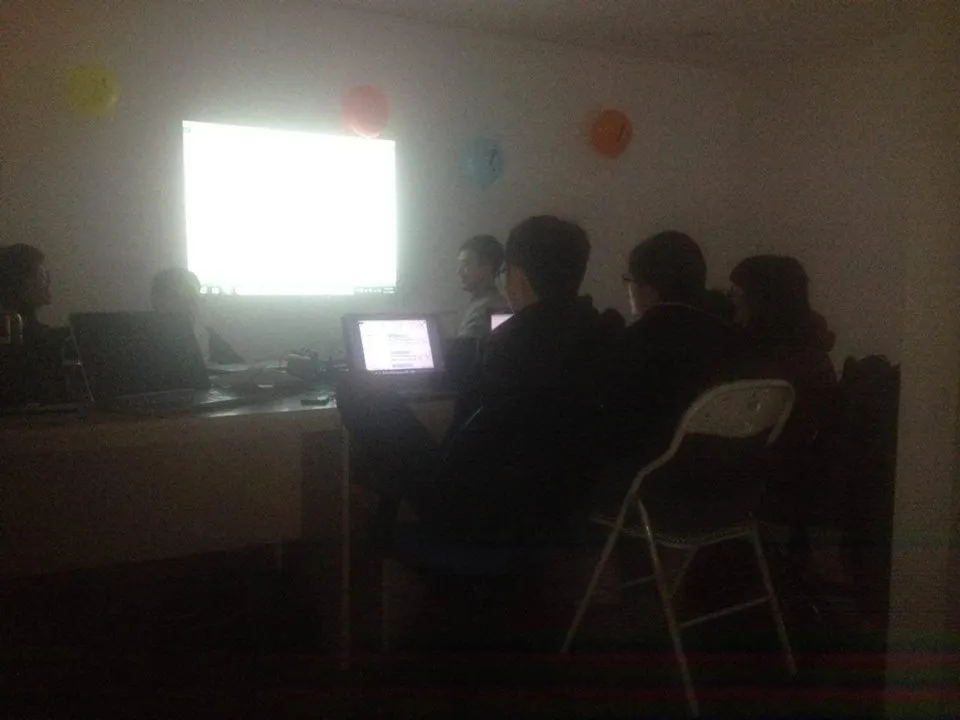
Our first monthly report was written at Book Coffee. About 10 orders a day, 7 or 8 of them cancelled. A day with half the orders completed counted as a good day.
One evening, Gấm and I walked around the little lake near the Thanh Xuân hub, looking at each other without much to say. Neither of us knew what to do next. We agreed: one more month. If it’s still like this, we quit.
We didn’t quit.
After the restaurants failed, we pivoted to shops that sold things that didn’t need careful handling, and who wanted a way to manage their shippers and daily shipping cash. Some of them came through iPOS’s introductions, the rest we had to find ourselves. No brochure, no sales kit. Just a phone with the app installed. Out of 10 shops, 8 would say “I don’t care”, 1 would be curious, and with luck, 1 would install the app.
A few times a shop installed the app, placed an order right away, and found no one to pick it up. So we learned. Whenever someone went out to sell, a teammate came along. The moment a shop installed the app, we’d ping the guys waiting on Telegram. The shop placed an order, and 5 seconds later someone was on the way. In no time the package was picked up and delivered. The shops loved it. (For every compliment, I’d guess we’d heard five complaints first). No sales kit needed. Just a shipper who showed up in 5 seconds.
Since most shops were in Hai Bà Trưng district, the team split in two: half at the office, half in Hai Bà Trưng to dispatch. “Half the team” sounds grand. In Hai Bà Trưng it was me and Hà, and we often worked at The Coffee House Tràng Tiền, quite a luxury for a final-year student like me. At the office: anh Trường, Gấm, Thương, Quỳnh. Later Long and Thắng joined. When there was no shipper to dispatch, the dispatchers became the shippers. At noon, the Hai Bà Trưng half would ride back to Minh Khai for bún chả. 20k ($0.8) a portion, and somehow we never got tired of it. Best meeting of the day.
The policy in those days: free shipping for every shop willing to try us. (A normal strategy for acquiring users early on.) Shops came in, shops left. Even free, the wait for a shipper was too long. We limped through the last two months of 2015 like that. The chart in our weekly and monthly reports kept going up and down, and everyone was discouraged. Everyone also knew why shops left: not enough shippers. But if we recruited more shippers, there weren’t enough orders to keep them busy. So the two sides stared at each other and kept working. Nobody blinked.
Still, nobody complained much, because both ops and sales knew the whole team was already giving everything. Most nights I got home at 7 or 8. Once, after two months of trials, we sat down to decide the new pricing policy and stayed until past 8, eyes on the data, talking it through. Tired, but good tired.
The sweet potato deal
One deal I still remember. A shop with about 100 orders a day, which was about what we did in total back then. Closing it would be a real boost.
We got there and found sacks of sweet potatoes at the gate. Inside, the whole house smelled like roasted sweet potato. Their shippers delivered with styrofoam boxes, plus a few extra bags tied to the front of the bike. Around 20 to 25 kg per trip. Until then, our shippers had only done light orders, the kind you could hang on the handlebar. And after each delivery, they had to bring the box back. A shop in the center would have been easier. This one was near Cầu Diễn. I knew it would be great if we closed it, but looking at all of that, it felt so khoai (Vietnamese slang for tough, and also the word for sweet potato. Yes, I noticed.)
I asked how they ran their shippers. Each carried about ten orders covering a whole route, plus a few spare potatoes. If a new order popped up on the way, dispatch at home would call whoever was nearest on that route. The catch: our system capped a shipper at 3 orders at a time. More than that and we couldn’t guarantee delivery times, and it would hurt dispatch (if one shipper carries 5 orders, that’s his whole morning gone, and the point of a mobile model is lost). I texted the office from the shop’s living room, we talked it through on the spot, and decided to raise the cap to 5 stops per order for them. (A multi-stop order is one pickup, several drop-offs. For example, one order from one shop to 3 different addresses.) I think everyone wanted to try everything for a deal like this.
Then pricing. They were charging 20k per drop-off, regardless of distance. With 5 drops per order, that’s 100k to us. (AhaMove priced delivery at 20k for the first 4 km, plus 5k for every km after. For multi-stop orders, distance is counted from pickup to the last drop-off, plus 5k for each extra stop. For example, 3 stops with 6 km from pickup to the last one: 6 × 5k + 2 stops × 5k = 40k.) If we planned the routes well, we’d make money. The question was how to optimize routes for every 5 stops out of 100 a day. The shop wouldn’t do it themselves. So we thought for a while and decided AhaMove would build the orders for them, at least in the beginning.
Thương took the job, because she knew Hanoi’s streets like the back of her hand. For a long time after, Thương and Gấm came in early every morning to take the list of drop-offs and rearrange it into the most efficient routes. The shop sent the list at 7, work started at 8:30, but more than once I saw both of them online on Telegram at 6:30. Months later, after the deal had been done for a while, our tech team built a route-optimization tool: paste in a list of stops, and it sorts them so multi-stop orders are as short, and as cheap, as possible. Before that, it was these two. Some deals get closed by whoever shows up at 6:30.
Last thing: the styrofoam boxes. Their old shippers were hired full-time, so bringing the box back after each delivery was simply their job. Now our shippers had to do it. We couldn’t ask people to ride all the way back to the shop for nothing, so we negotiated again. In the end, the shop agreed to pay 10k extra per returned box.
Done.
Looking back, closing this deal was a whole process, and one I’ll remember. Some of those negotiations got tense, because both sides wanted more. The shop owner and I went back and forth hard at one point. I held my position because I believed that, at that moment, it was the best deal for both sides. AhaMove got a big customer. The shop got a system that saved a lot of time and effort, and even money: after three months, their shipping costs had dropped by 10 to 15% compared to their old setup (if I remember right).
And slowly, quietly, AhaMove found its footing. Loyal shops made it easier to build a loyal shipper base. The churn rate of shops and shippers coming and going stayed high, but the model was proven and the market was there, so we held on to those customers with different kinds of support. Two years on, AhaMove is one of the top players in 1-hour intra-city delivery in Vietnam, ahead of regional names like Grab Delivery and Indonesia’s Go-Jek.
Not bad for a team that once stood in a hub without chairs.
DOWN
After AhaMove, I joined another team in the same space, delivery powered by technology, which I’ll call B. At AhaMove I hadn’t touched the product much and focused on sales and operations. At B, I got to work closely with the tech team to build the product: locking the business model, writing the specification (the details and characteristics of the product), deciding what made it into the first version, testing UX/UI, and more. Things I’d never done. Of course, opportunities come with challenges. A higher position means more responsibility. With a mentor, great. Without one, you figure it out the hard way, and sometimes pay for it with mistakes.
B had two founders, each running a healthy company of their own. One did outsourcing and tech consulting for foreign companies and banks. The other did mobile solutions, including a fairly well-known app for earning money online. After almost four months, we finished the app and set a launch date in June. Everyone was excited, and full of expectations for how the company would grow. On paper, everything looked right.
I resigned in early July.
Two weeks ago, a former colleague told me B had closed, after just over six months of operation.
START
I left AhaMove in early July 2016, after nine months. I’ve avoided talking about why. To me, AhaMove is like a first love: beautiful, full of memories, happy and sad. Some of the sad parts are still with me.
In the early days, everyone did their best, covered everything that came up and helped each other out. No bosses or employees, just a team and a leader. After two months on bikes, I moved to a new project: delivery by three-wheel trucks. In the first month, anh Trường and I walked up and down Phạm Hùng looking for places where trucks gathered, trying to pitch the drivers. Truck owners are nothing like bike riders. Many were older, and teaching them to use a smartphone was hard enough, let alone the app and the steps to complete an order. Some I followed around for a whole month, just to show them: accept the order, tap “arrived” at the pickup, tap “complete” after delivery. Three taps. Ten seconds. A month. The younger owners had smartphones, but they had their own regular customers, and often couldn’t ride alone because they had to hire an older war veteran to ride with them to avoid fines. And our order volume was too low to convince anyone.
Truck work is mostly house moves and bulk deliveries to restaurants and supermarkets, and house moves come in seasons, not year-round like bike orders. To get drivers used to the app, the company routed some orders from BigC Thăng Long and Metro Hà Đông to them, hoping outside orders would grow in the meantime and we’d depend less on that ready-made supply. In Saigon, truck orders were far more plentiful than in Hanoi, and the team was bigger too.
When I was on bikes, customers yelled at us and drivers complained. But the whole team believed that beginnings are always painful, so we just kept going, quietly and patiently. I did too. I could listen to complaints all day and show up the next morning, because I believed everyone was trying a little harder each day, and I believed in anh Trường, in anh Hoài (founder and CEO of Scommerce Holding), in the team.
On trucks, I couldn’t feel that belief as clearly. Maybe because it was just me and Hà, with Hằng and Thắng helping later. We faced a harder, newer market, and it seemed like everything on the bike side was getting priority. Whatever the reason, Hà and I lost our drive. Every day we sat at Highland Coffee in BigC Thăng Long, getting there before the mall opened, buying bread upstairs for lunch, waiting for the phone to ring. Either a truck owner, back from a delivery: “No new order yet, kid?” Or BigC’s logistics team, calling us to come pick up goods. Over and over. Orders from outside weren’t growing fast enough, and every day was the same loop: BigC, wait for an order, call the owner, go along to teach the app, back to BigC.
The invoices were a mess too. The accountants in Ho Chi Minh City reimbursed the meals Hà and I had while working outside the office, but only if we kept the receipts. I kept forgetting them. Or losing them. So a lot of our expenses were never recorded correctly or in full. Managing receipts and spending while working away from the office was a mess. The accountants kept messaging, and neither of us knew what to do.
I was stuck. So was Hà. The difference was that I let go, and Hà didn’t. I looked for any way not to be at BigC. Hà sat there from morning to night. Even sick, Hà wouldn’t take a day off. Or couldn’t, because Hà knew that if Hà stopped, no one else would do it.
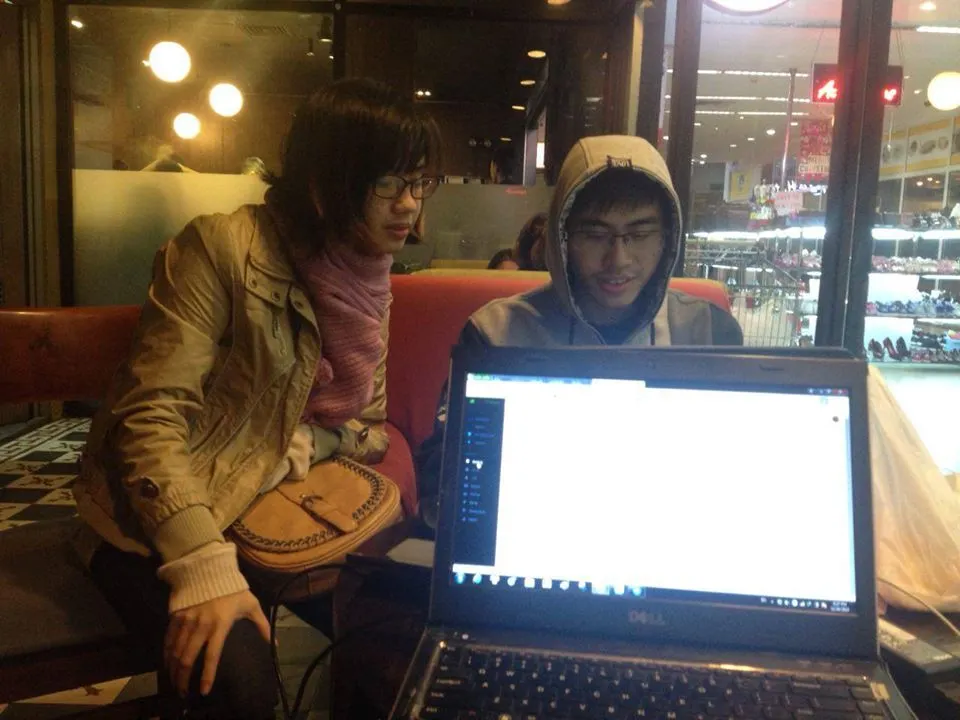
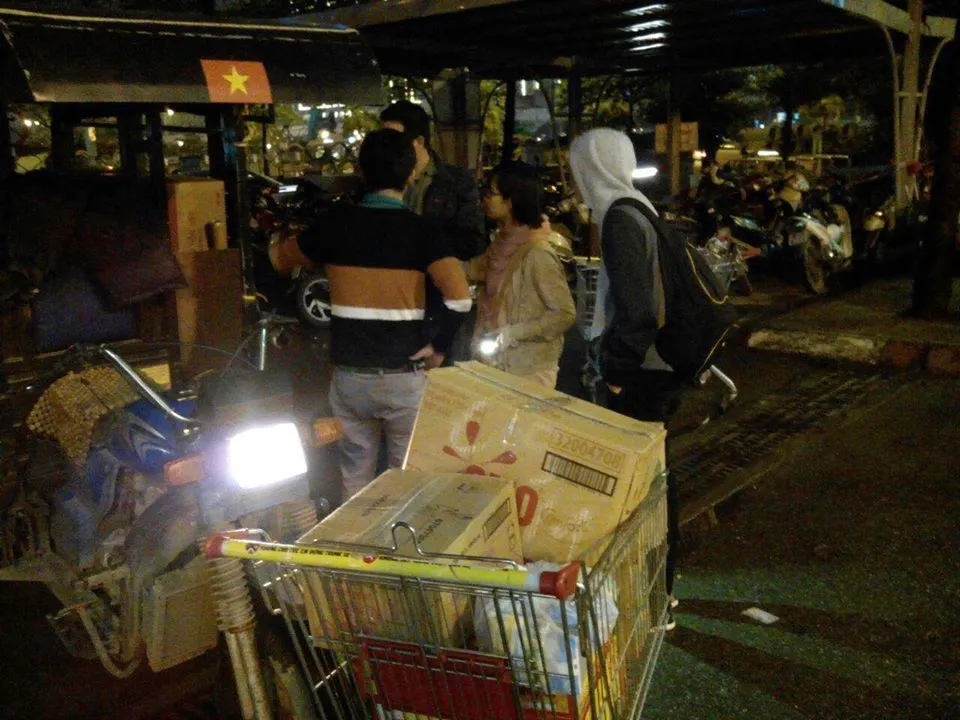
In March 2016, AhaMove officially stopped the truck line to focus on bikes. We went back to the office. By then it had moved to Mipec Tây Sơn, AhaMove’s first official office. A beautiful one, right in the center, and nothing like the borrowed desks and shared spaces we’d had before.
My first feeling was out of place. Everyone was caught in a new, fast rhythm. I was standing outside it. Hà jumped right in, just as fast.
Why did it feel like that? I think only now am I brave enough to admit: I was terribly insecure. Four months on trucks with nothing to show for it, and everyone else had gone so far ahead. I wanted to join the rhythm but was scared I couldn’t keep up. And I felt unrecognized for those four months. All of that piled up, and I pulled away from everyone. I showed up late and left early. I stopped caring about KPIs and shared work. I snapped at people for no reason. The more anxious I felt, the harder I acted like I didn’t care. It created tension, or more precisely, negative energy, for the whole team. And then what had to happen, happened. I resigned, because I felt I wasn’t adding value to the team anymore. Nobody pushed me out of the rhythm. I stepped out of it myself.
When you need your achievements acknowledged more than you need to keep going, when the ego gets bigger than the “we,” that’s probably when your drive runs out. It’s like standing on a mountaintop and refusing to climb down, or being too scared to, so you can’t go anywhere.
“If you don’t dare to come down from the peak, you won’t reach a higher one.” — anh Lê Hồng Minh, VNG
Looking back calmly, that insecurity was entirely self-made. Later, after we’d all left AhaMove, I sat down with some of the old team and found out none of them thought I couldn’t keep up. A few were even surprised I resigned, right after the hardest stretch, just as the growth started. I wasn’t. If I could go back and choose again, I’d do the same, because that’s who I was in June 2016. Some things you hear so many times you think you understand them, you even repeat them to others. Then you live through it, and only then does it sink in.
Sad memories aside, AhaMove left me with lessons I still carry.
A startup doesn’t need many people at the start, and certainly not many managers and department heads. It needs one real leader: someone who knows the product and the market, who puts 100% of their energy into the work, who dives into anything alongside the team, who believes in the team and the product. Someone who can keep believing and keep walking even when nobody else does, when everyone else is tired and gone. Because at the beginning, besides shared belief, what else do you have?
I learned that even an experienced team has to go through experiments, and experiments are sometimes right and sometimes wrong. Sometimes more wrong than right.
I learned that early teammates matter for one reason: the get-shit-done spirit, the willingness to do anything for the shared goal, and trust. Like Thắng delivering packages until late on March 8th. Like Hà, so busy delivering that she ran a red light and got stopped by the police. Like Gấm, staying at the office until 11 p.m. to help me finish a pile of invoices and ledgers, without saying a word. Like me, believing that as long as anh Hoài, anh Trường, Gấm, Hà and everyone were still here, AhaMove would get through this somehow.
Simple as that.
At B, every starting condition was better. A nice office in central Hanoi, a strong tech team, a big marketing crew, the founders’ networks. But I only felt belief in the product and the team in the early days. Later it faded, as I saw that the founders, as dedicated as they were, each had another business and couldn’t fully focus on this one. And the team: I told anh H. many times that the early phase would be rough. Sales and operations would hear a lot of complaints from customers and drivers. It’s the hardest stage, with everything just starting, so there’s no exact process yet and you build one as you go. But anh H. wanted a precise process and an optimal plan from day one. What happened next only proved how differently we saw things. When two people no longer share the same belief, the best thing to do is leave. So I did.
I understand now why so many teams went after this space and only AhaMove went Up, while most of the rest limped along or never grew.
I think each of us is an entrepreneur. Every job we start is a start point, and none of us knows if it’ll go up or down. All we can do is give each start our best. Sometimes we don’t know where we’re headed or what tomorrow looks like. But if we’re surrounded by people just like us, equally lost, equally unsure, yet sharing a belief in something better, getting through these hard days and moments together, then that’s enough. We’re allowed to try, allowed to fail, and still have people who trust and back us. Who knows, the people beside you now may be the close friends you’ll have later.
I’m still in touch with a few old teammates, even though we’re scattered now. Some in Saigon, some back in school. Whenever I’ve struggled at work in Saigon, or during my recent stretch of unemployment, they’ve helped me, with money and with morale. That’s one of the things I’m proudest of when I talk about AhaMove.
If, and it’s a big if, someone took me back two years and asked whether I’d choose a startup again or become a credit officer (I studied banking and finance), I think I’d still choose the startup. It put me next to young people full of energy and passion who face uncertainty daily. It gave me a full range of feelings: joy, sadness, hope, disappointment, trust. It made me face myself every day. Do I still enjoy learning new things? What do I do when I’m unemployed and lost, still fumbling for the next step? I don’t have the answers yet. But well, it’s worth all the pain.
Start-up is good. And Down? That’s fine too. We’ll get to face other challenges. Sometimes, the struggle to regain emotional balance (after a breakup, after losing a job) is where courage gets tested and tempered. That counts as much as proving yourself. (Borrowing from Brené Brown in Rising Strong.)
And a line I read somewhere, roughly like this:
“If we try something new, we may fail. But I’m ready to take the challenge. Where it will take me, what is there for me, or how to do it, let the journey reveal itself.”
Cuz, you know, life still goes on.
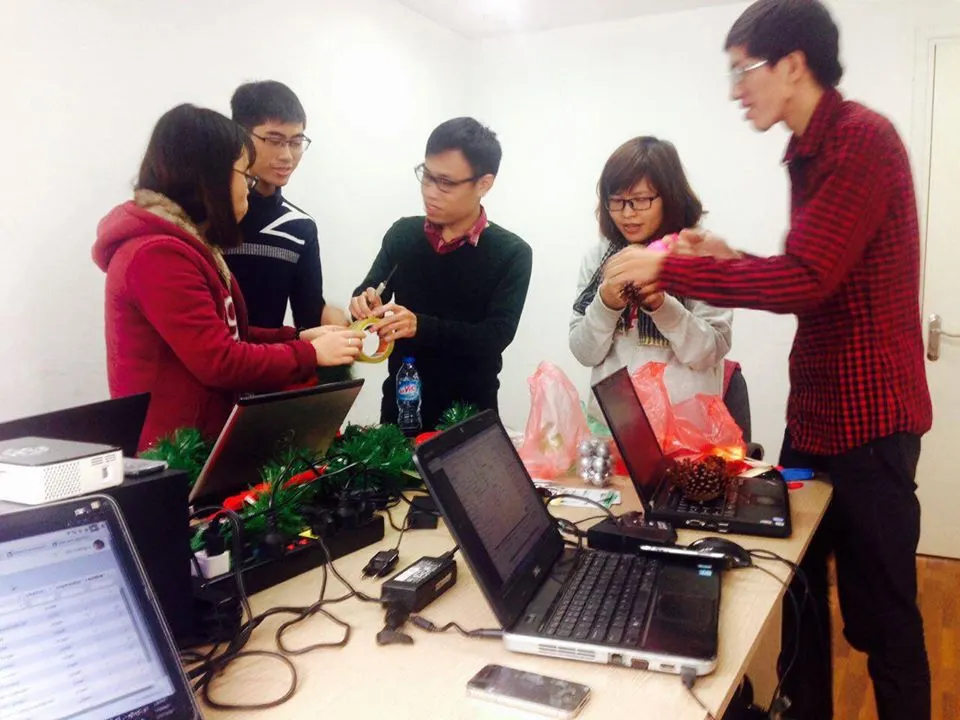
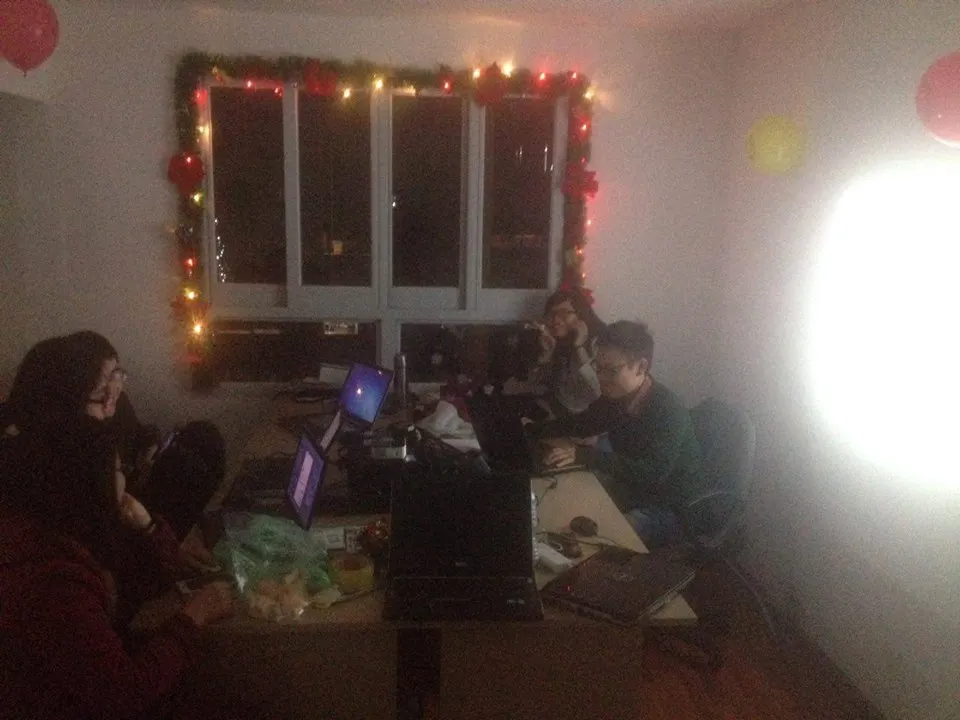
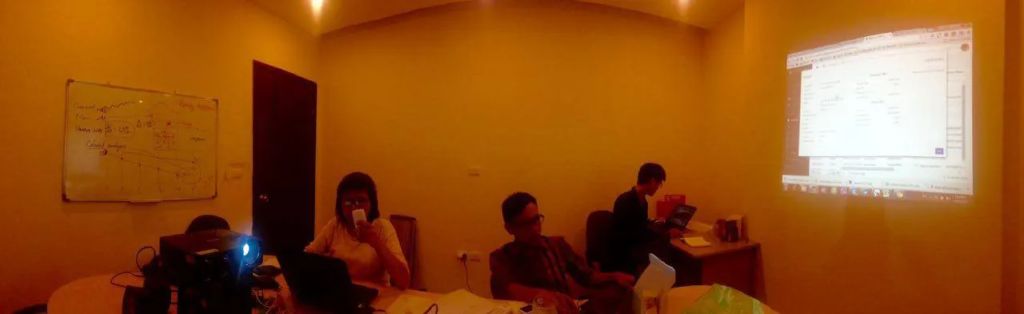
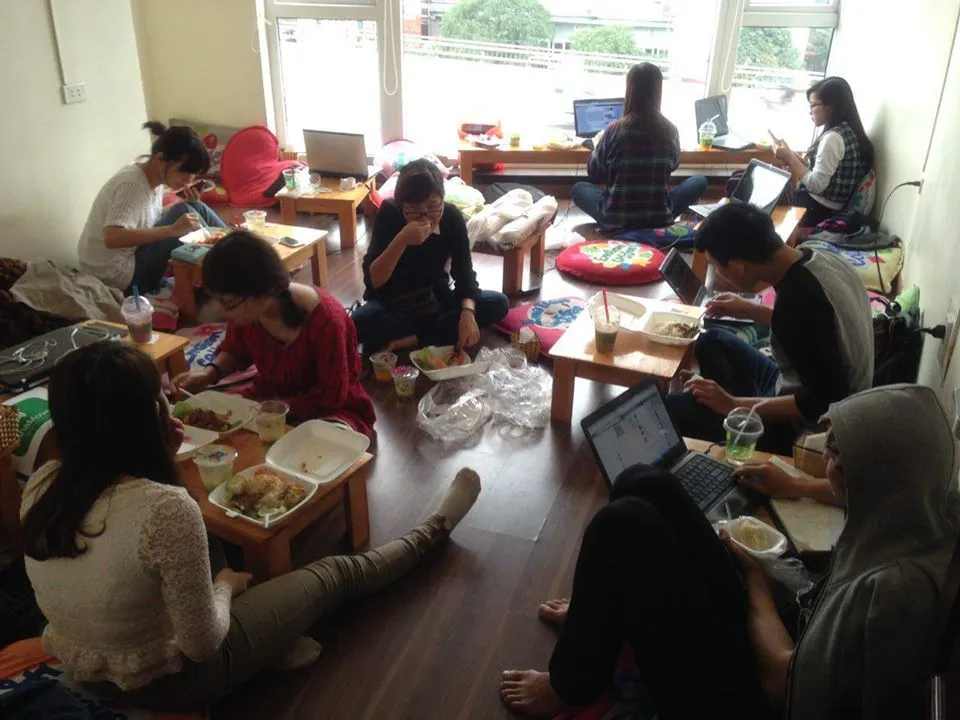
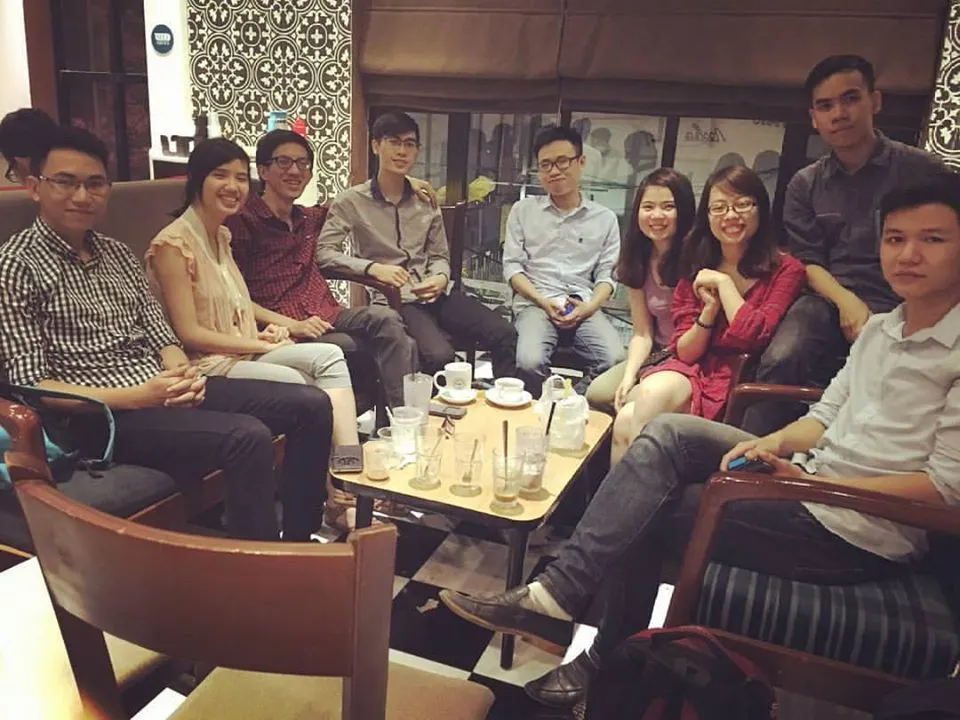
A few photos, because I’ll want to remember these for a long time:
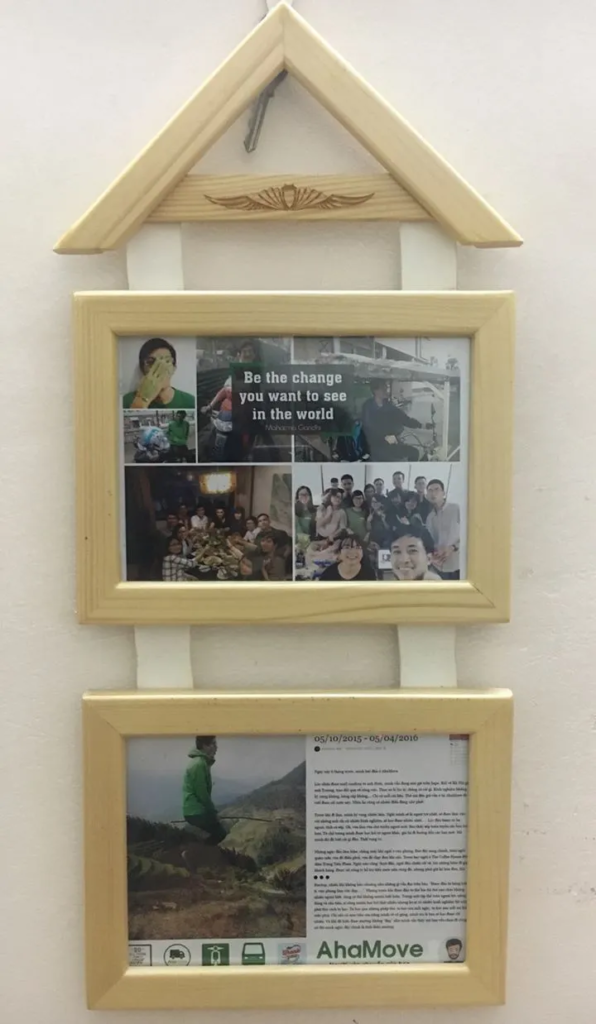
Wishing all of us a good Start, whatever comes after. Cheers 🍻